
[01]
[01]
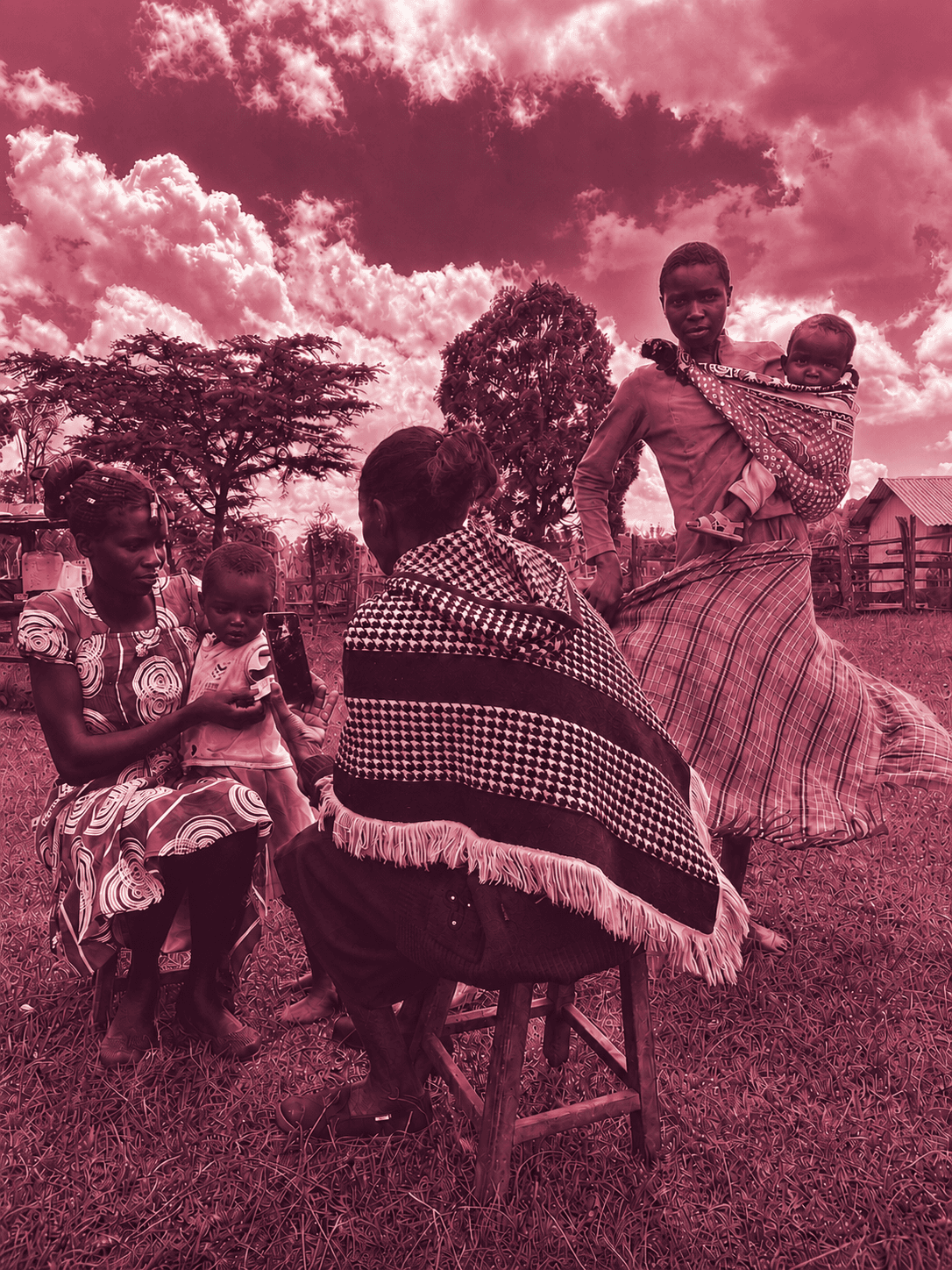

MERIAM: Modelling Early Risk Indicators to Anticipate Malnutrition
MERIAM developed predictive models to anticipate acute child undernutrition in data-scarce and crisis-affected settings. Funded by the UK Foreign, Commonwealth & Development Office, the project focused on the Kenyan drylands and Uganda, working with local and international partners to identify household, environmental, and behavioral drivers of child undernutrition. The project produced evidence-driven computational models capable of generating leading-edge predictions of acute malnutrition prevalence and scenario-based forecasts, including climate and COVID-19 disruption scenarios. These models were integrated into the Simulating Acute Malnutrition Toolkit, an online dashboard designed to support donors, governments, and humanitarian actors in understanding and acting on undernutrition risk. MERIAM established the predictive foundation for the broader research program: using data and modeling to move nutrition response from delayed reaction toward earlier, evidence-based prevention.
2019
Year
Year
4 years
Duration
Duration
Other Projects
Other Projects
[02]
[02]


[01]
[01]
MERIAM: Modelling Early Risk Indicators to Anticipate Malnutrition
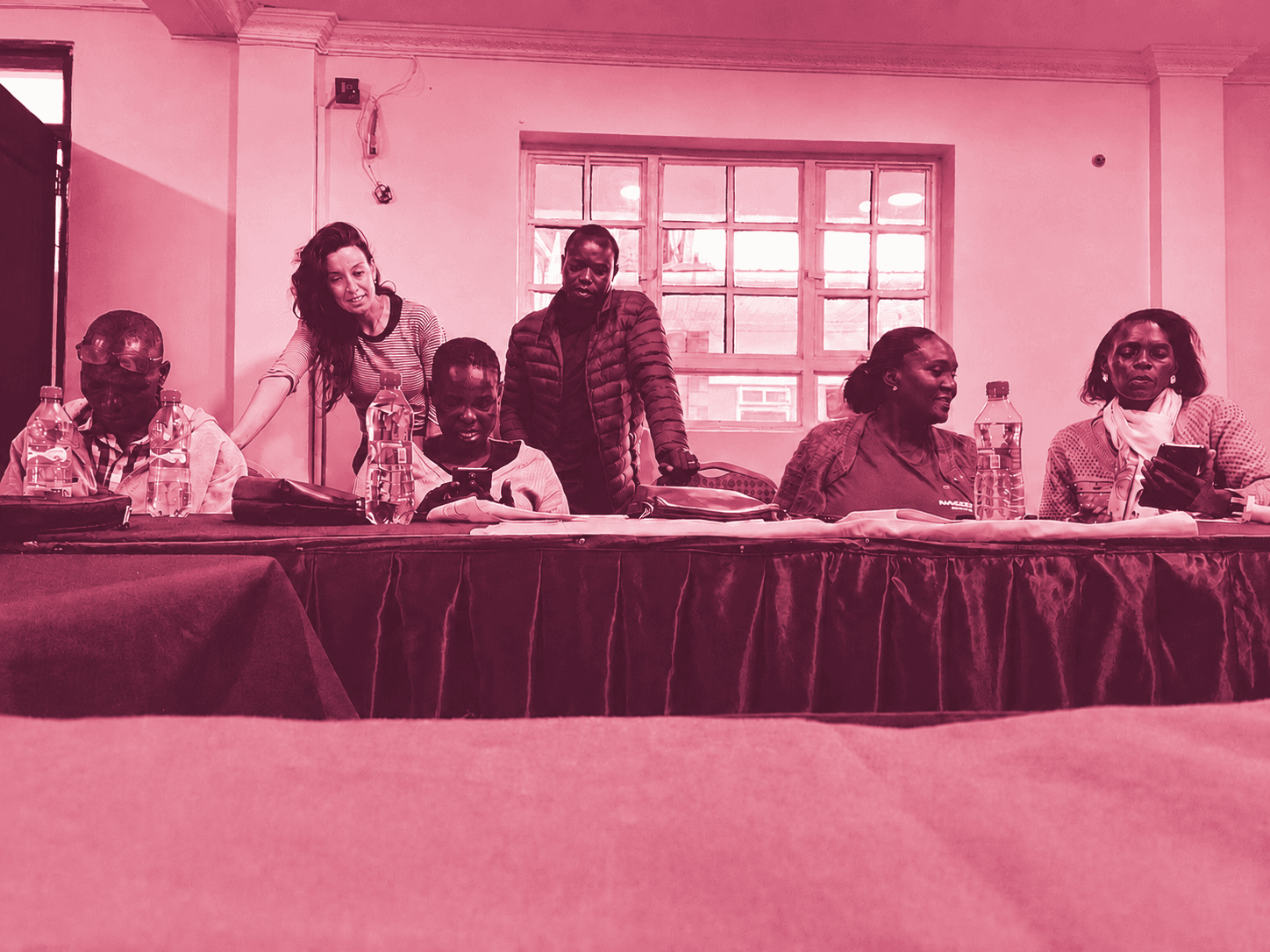
MERIAM developed predictive models to anticipate acute child undernutrition in data-scarce and crisis-affected settings. Funded by the UK Foreign, Commonwealth & Development Office, the project focused on the Kenyan drylands and Uganda, working with local and international partners to identify household, environmental, and behavioral drivers of child undernutrition. The project produced evidence-driven computational models capable of generating leading-edge predictions of acute malnutrition prevalence and scenario-based forecasts, including climate and COVID-19 disruption scenarios. These models were integrated into the Simulating Acute Malnutrition Toolkit, an online dashboard designed to support donors, governments, and humanitarian actors in understanding and acting on undernutrition risk. MERIAM established the predictive foundation for the broader research program: using data and modeling to move nutrition response from delayed reaction toward earlier, evidence-based prevention.
2019
Year
Year
4 years
Duration
Duration
Other Projects
Other Projects
[02]
[02]
[01]
[01]
MERIAM: Modelling Early Risk Indicators to Anticipate Malnutrition
MERIAM developed predictive models to anticipate acute child undernutrition in data-scarce and crisis-affected settings. Funded by the UK Foreign, Commonwealth & Development Office, the project focused on the Kenyan drylands and Uganda, working with local and international partners to identify household, environmental, and behavioral drivers of child undernutrition. The project produced evidence-driven computational models capable of generating leading-edge predictions of acute malnutrition prevalence and scenario-based forecasts, including climate and COVID-19 disruption scenarios. These models were integrated into the Simulating Acute Malnutrition Toolkit, an online dashboard designed to support donors, governments, and humanitarian actors in understanding and acting on undernutrition risk. MERIAM established the predictive foundation for the broader research program: using data and modeling to move nutrition response from delayed reaction toward earlier, evidence-based prevention.